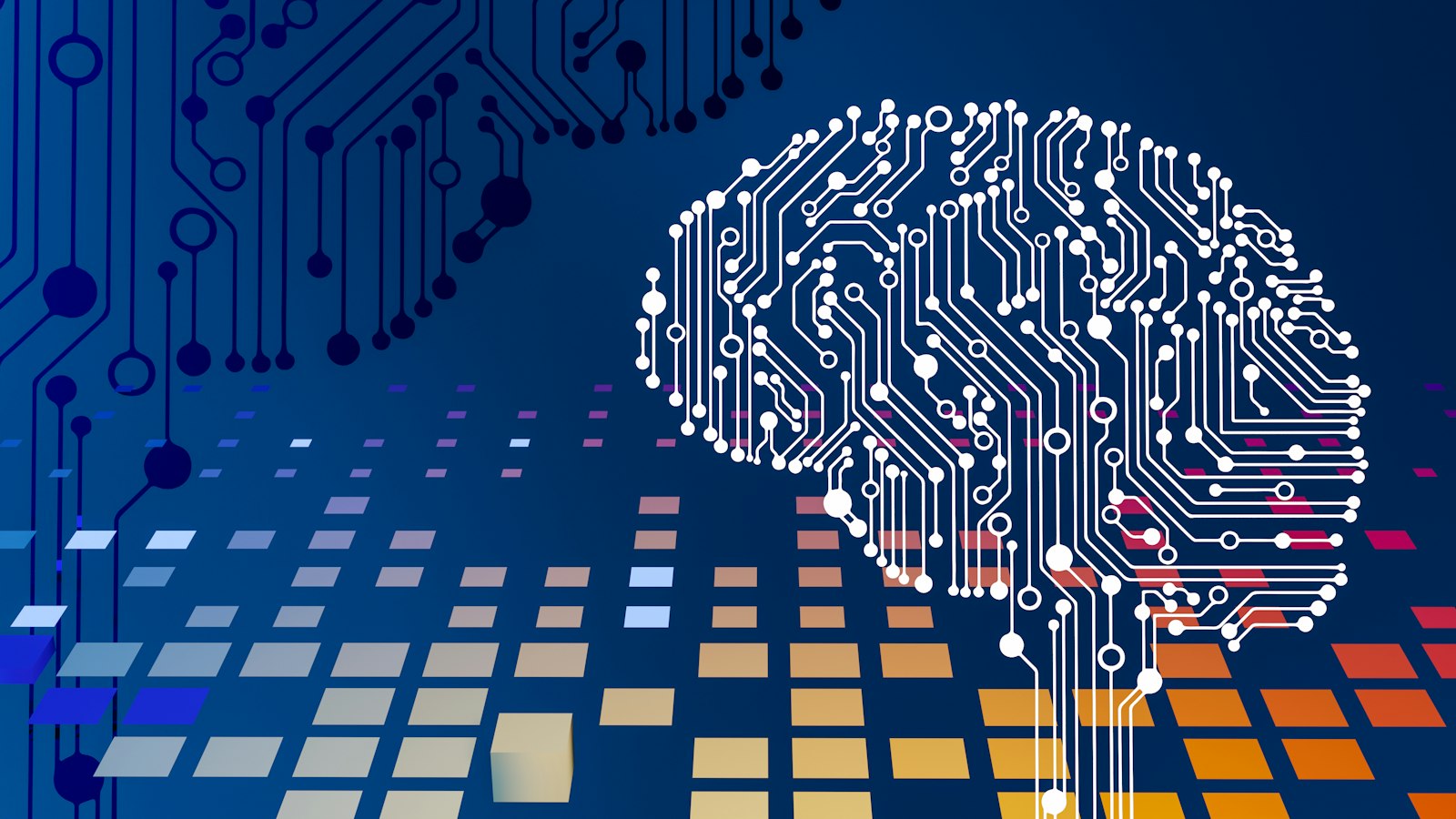
Artificial intelligence is no longer a futuristic concept reserved for research labs — it is the operational backbone of the world's most competitive enterprises. From predictive analytics that anticipate customer churn before it happens, to natural language interfaces that let non-technical staff query complex databases with a sentence, AI is reshaping what enterprise software means.
1From Rule-Based Systems to Adaptive Intelligence
Early enterprise software operated on rigid, rule-based logic: if X happens, do Y. These systems were predictable but brittle. The moment business conditions shifted — a new product line, a market disruption, a regulatory change — the rules needed to be manually rewritten.
Modern AI flips this paradigm. Machine learning models ingest historical data and build probabilistic models of how the world works. When conditions change, the model retrains — adapting automatically rather than waiting for a developer to update a rule sheet. This shift from brittle rules to adaptive intelligence is the defining characteristic of next-generation enterprise platforms.
2AI in CRM: Beyond Contact Management
Customer Relationship Management tools were, for decades, glorified address books with deal tracking bolted on. AI transforms them into revenue intelligence engines. Lead scoring models trained on thousands of closed-won and closed-lost deals can predict, with startling accuracy, which prospects are ready to buy — and which need more nurturing.
Sentiment analysis on support tickets automatically flags frustrated customers before they churn. Conversation intelligence tools transcribe and analyse sales calls, surfacing the objections that lose deals and the phrases that close them. The result: sales teams that get smarter with every interaction, not just more experienced.
3The Ethics and Governance Imperative
The power of enterprise AI comes with serious responsibility. Biased training data produces biased models — hiring algorithms that discriminate, credit models that redline, recommendation engines that reinforce inequality. Enterprises deploying AI must invest equally in governance: audit trails, explainability frameworks, diverse training datasets, and human-in-the-loop checkpoints for high-stakes decisions.
Regulatory pressure is accelerating this imperative. The EU AI Act, India's emerging AI policy framework, and sector-specific guidance from financial and healthcare regulators are creating a compliance landscape that rewards organisations that built governance in from the start.
4What to Expect in the Next Three Years
The near-term roadmap for enterprise AI centres on three themes: multimodality, agentic workflows, and edge deployment. Multimodal models that process text, images, audio, and structured data simultaneously will power richer analytics and more intuitive interfaces. Agentic AI — systems that plan, take actions, and self-correct toward a goal — will automate complex multi-step workflows that today require human coordination. And edge AI will bring inference capabilities directly to devices and sensors, enabling real-time decisions without cloud round-trips.
Tags
Found this helpful?
Share this article with your team.
Priya Sharma
Chief Technology Officer
Expert contributor at the intersection of technology and enterprise transformation. Regularly writes about digital strategy, emerging platforms, and implementation best practices.